


Sustainable cooking at Turku Event Kitchen with Relife
in English / 20.4.2026
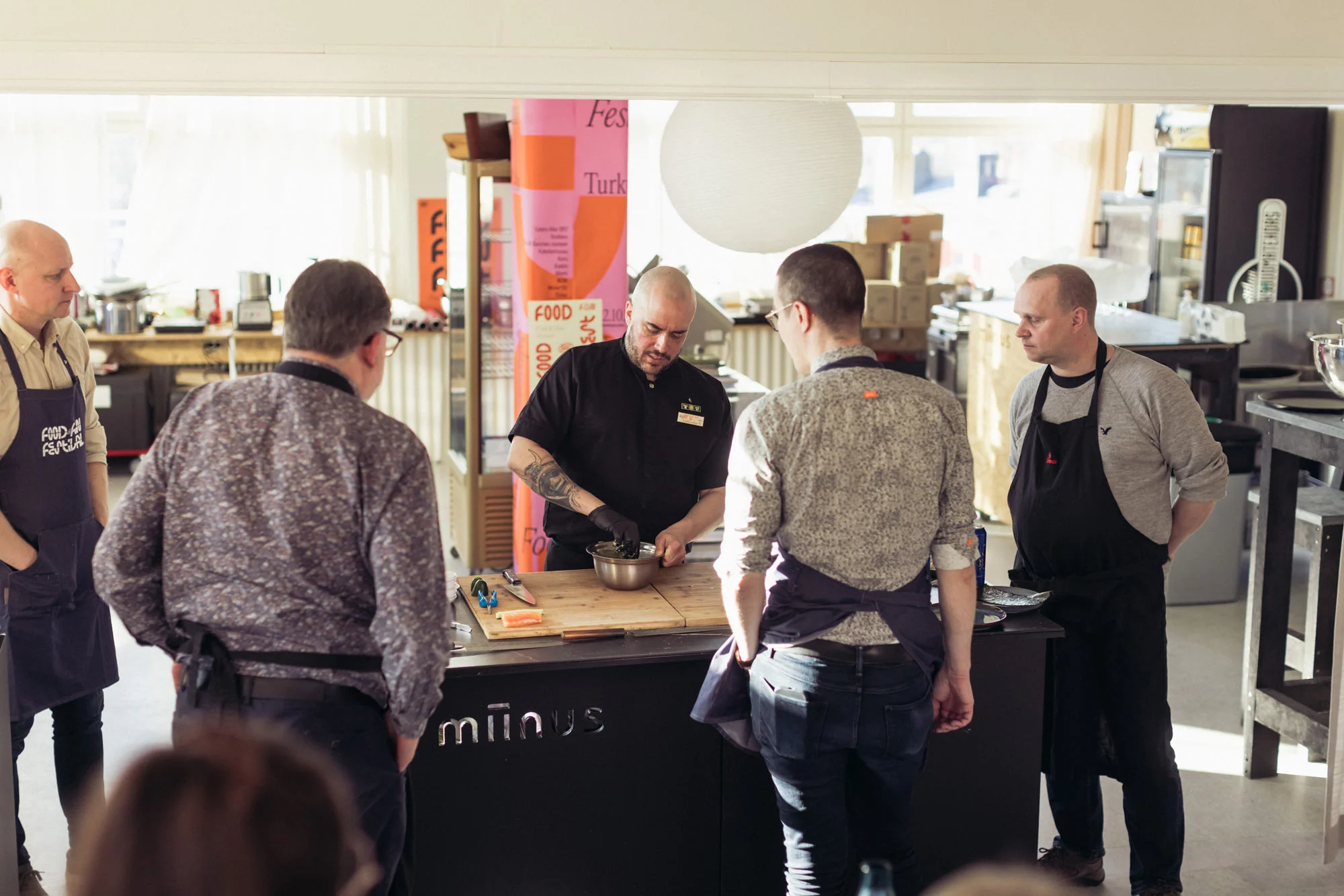
The Food & Fun Festival event kitchen at Turku Art House combines recycled, new, and fixed equipment to create a flexible, modular space—sustainably designed and in line with the spirit of the event. The agile and sustainable kitchen is made possible by Dieta’s Relife concept.
When Food & Fun Festival founder and producer Jouni Kuru decided to build a pop-up kitchen at Turku Art House, his goal was to create a visually striking, adaptable space where food, culture, and art converge sustainably. Sustainability is central to the event’s story, reflected not only in the kitchen’s solutions but also in the interior design, which incorporates recycled materials, finished metal, and posters from previous years. The kitchen also emphasizes local, fresh ingredients, reducing waste and improving logistics.
“We wanted a pop-up kitchen that communicates sustainability while meeting professional standards. Because the kitchen operates in an open space, everything must be clean, visually appealing, and professional. It also needs to adapt quickly to different uses,” says Kuru.
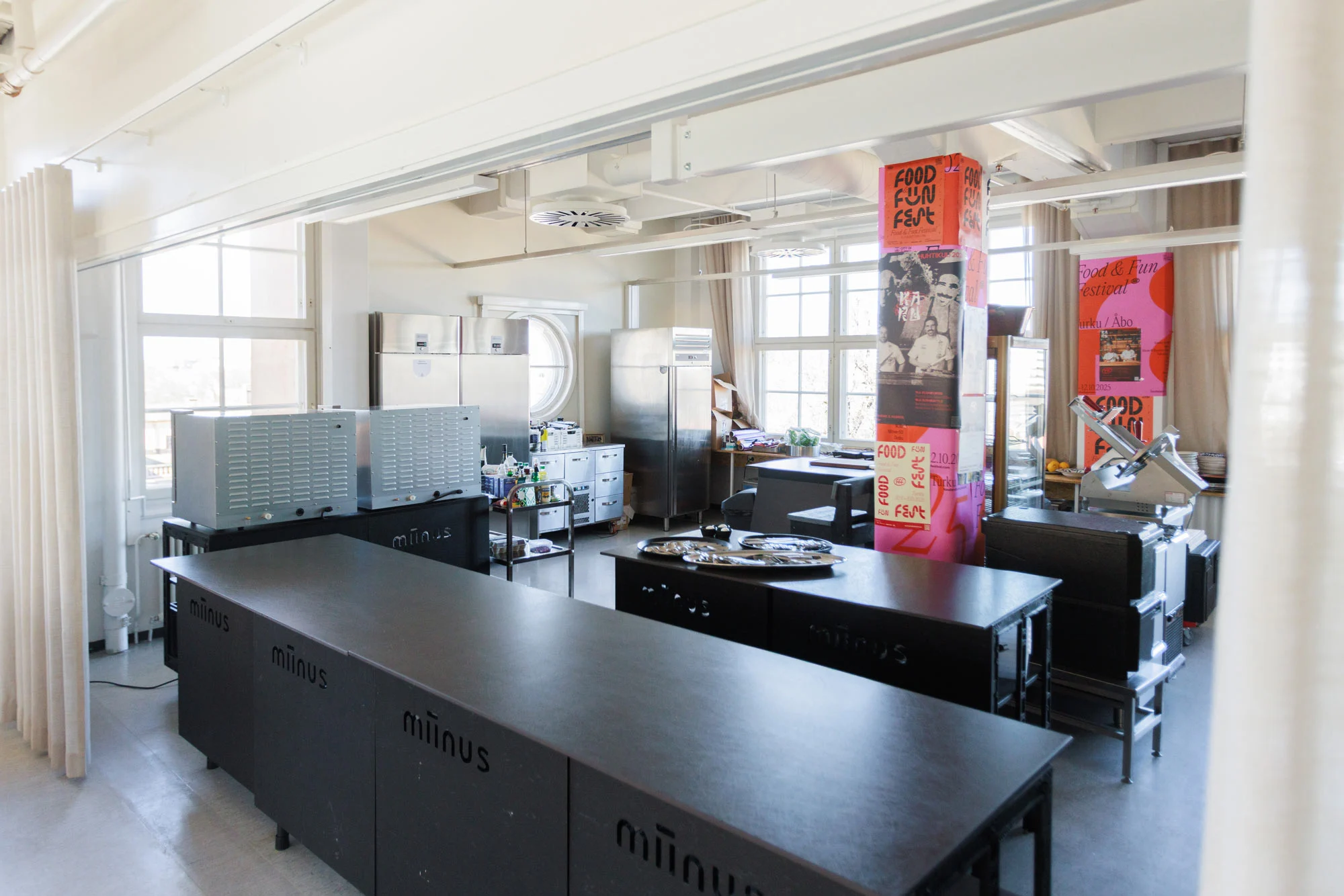
The open event kitchen utilizes refurbished professional equipment.
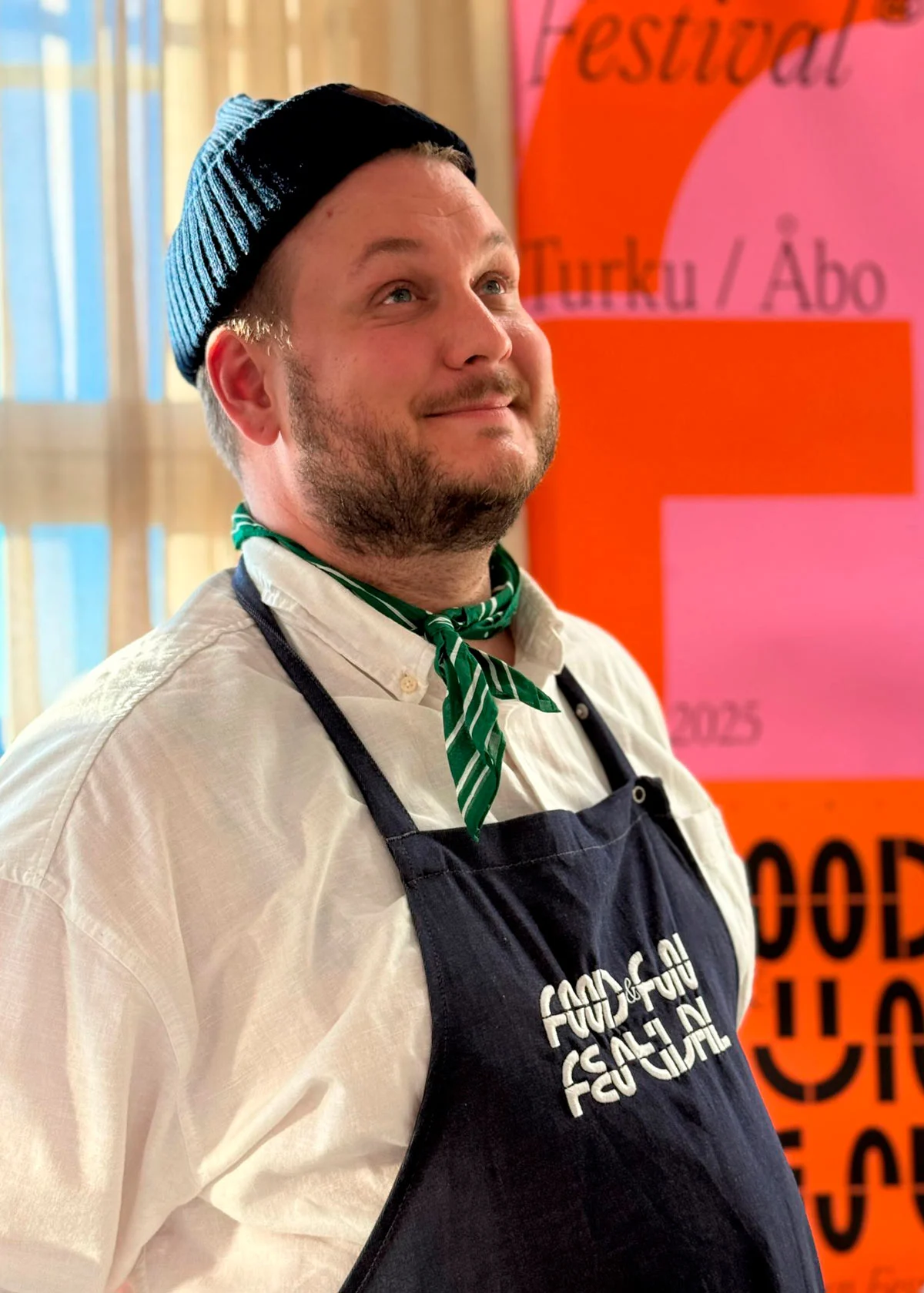
Producer Jouni Kuru.
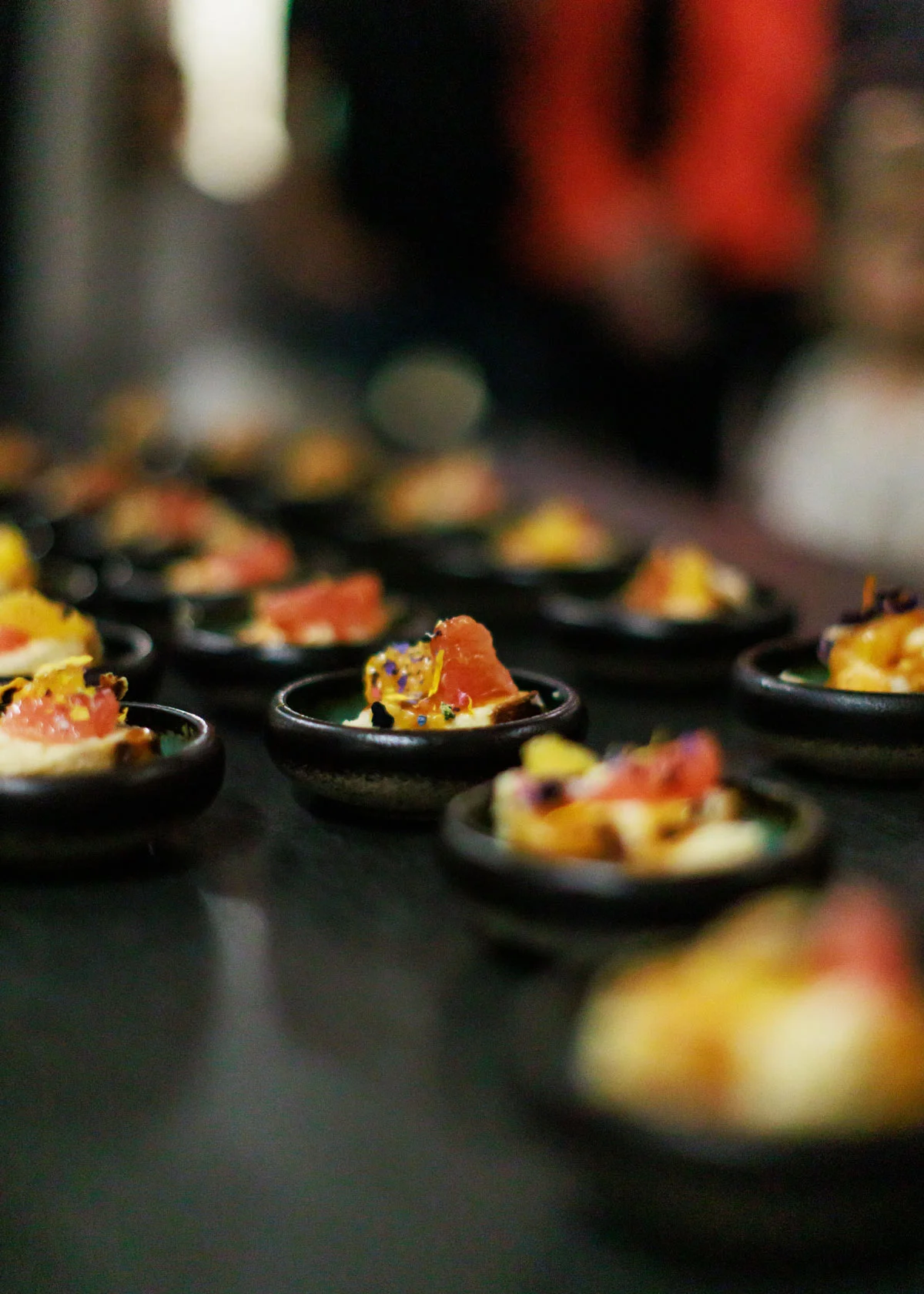
Taste experiences with a big heart: The Relife kitchen is an agile and responsible platform for professional creations.
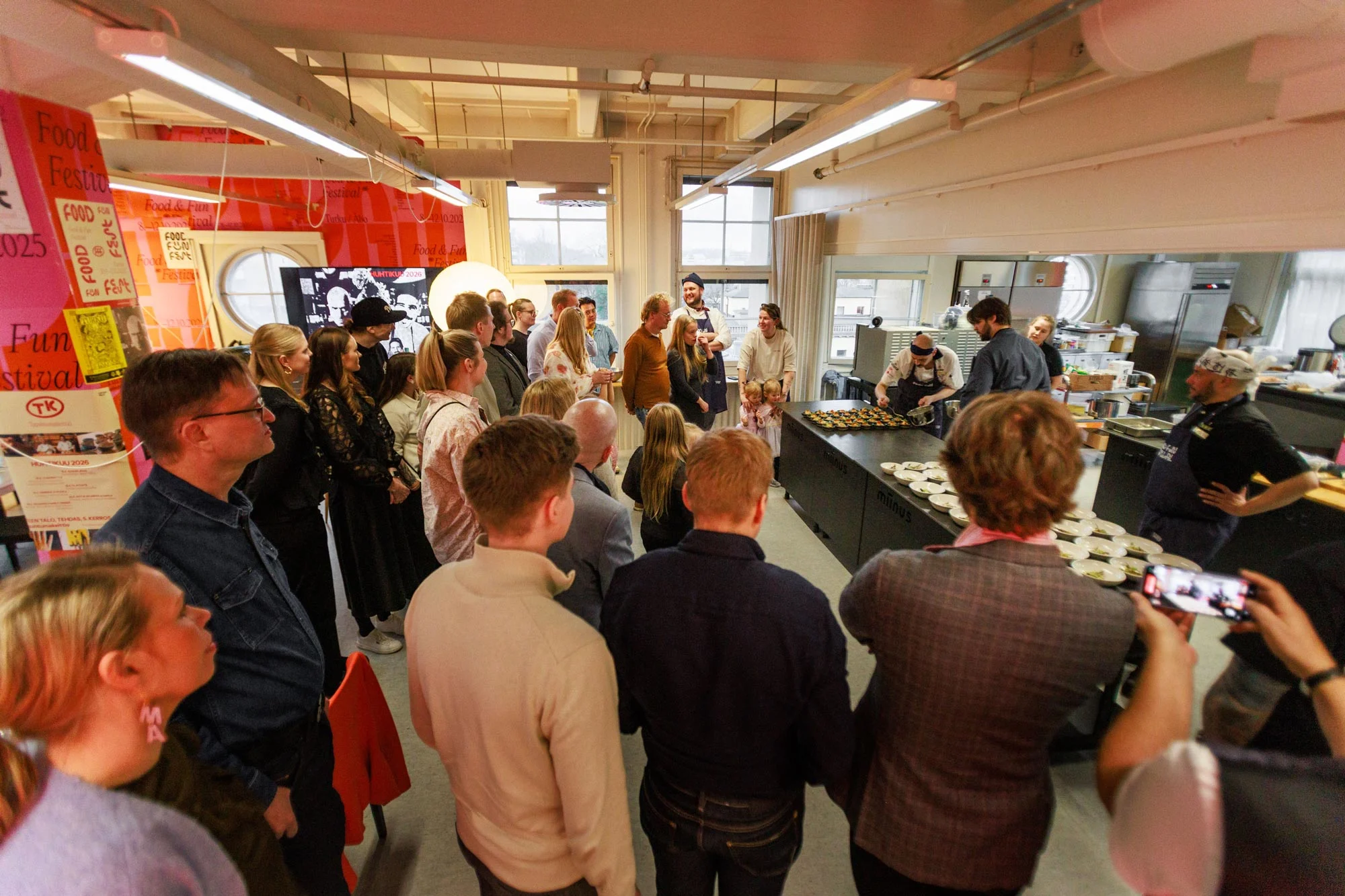
Something new, something old, and something borrowed
The project began by defining the pop-up kitchen’s use cases, needs, and technical requirements. Relife
thinking plays a key role in the solution: Dieta supplied refurbished, pre-owned professional kitchen equipment,
including a freezer, and about 80% of the equipment base is reused. The kitchen also uses the client’s own
equipment from a summer kitchen in Kustavi. New equipment is used only to complement the overall setup.
The kitchen solution is modular, with movable workstations and equipment and a layout that adapts to each
event. For example, instead of one large oven, two smaller, movable ovens were chosen. These can be used
flexibly and combined with mobile kitchen islands. The equipment integrates directly with existing HVAC
systems, requiring only an additional power supply.
“Dieta’s experts considered the operating environment, mobility, and the diverse needs of different events
during the design. They also supplied additional kitchen equipment. They are a true partner from design through
the end of the lifecycle – not just a supplier,” Kuru adds.
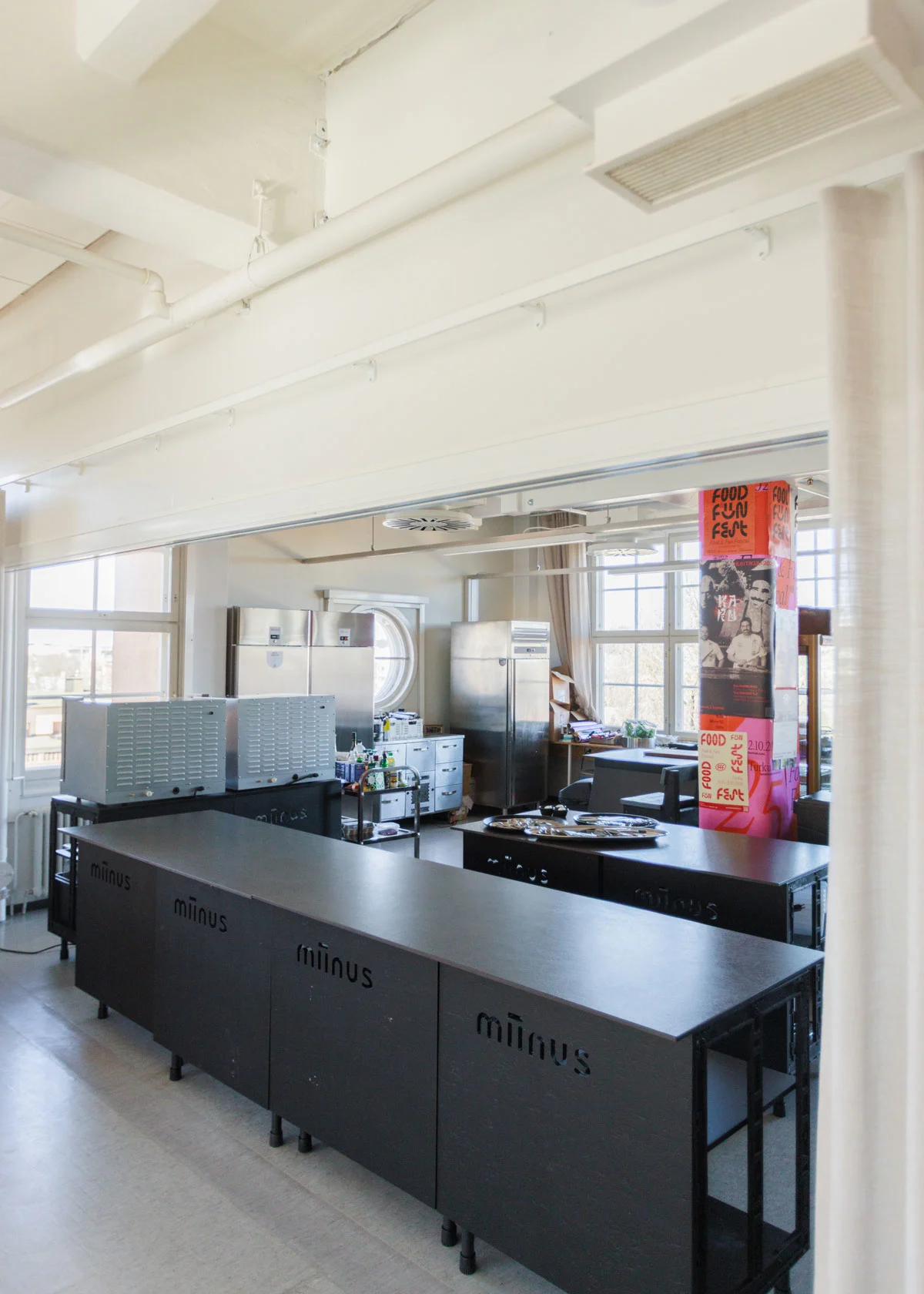
A combination of new, pre-owned, and existing equipment provides added flexibility and scalability.
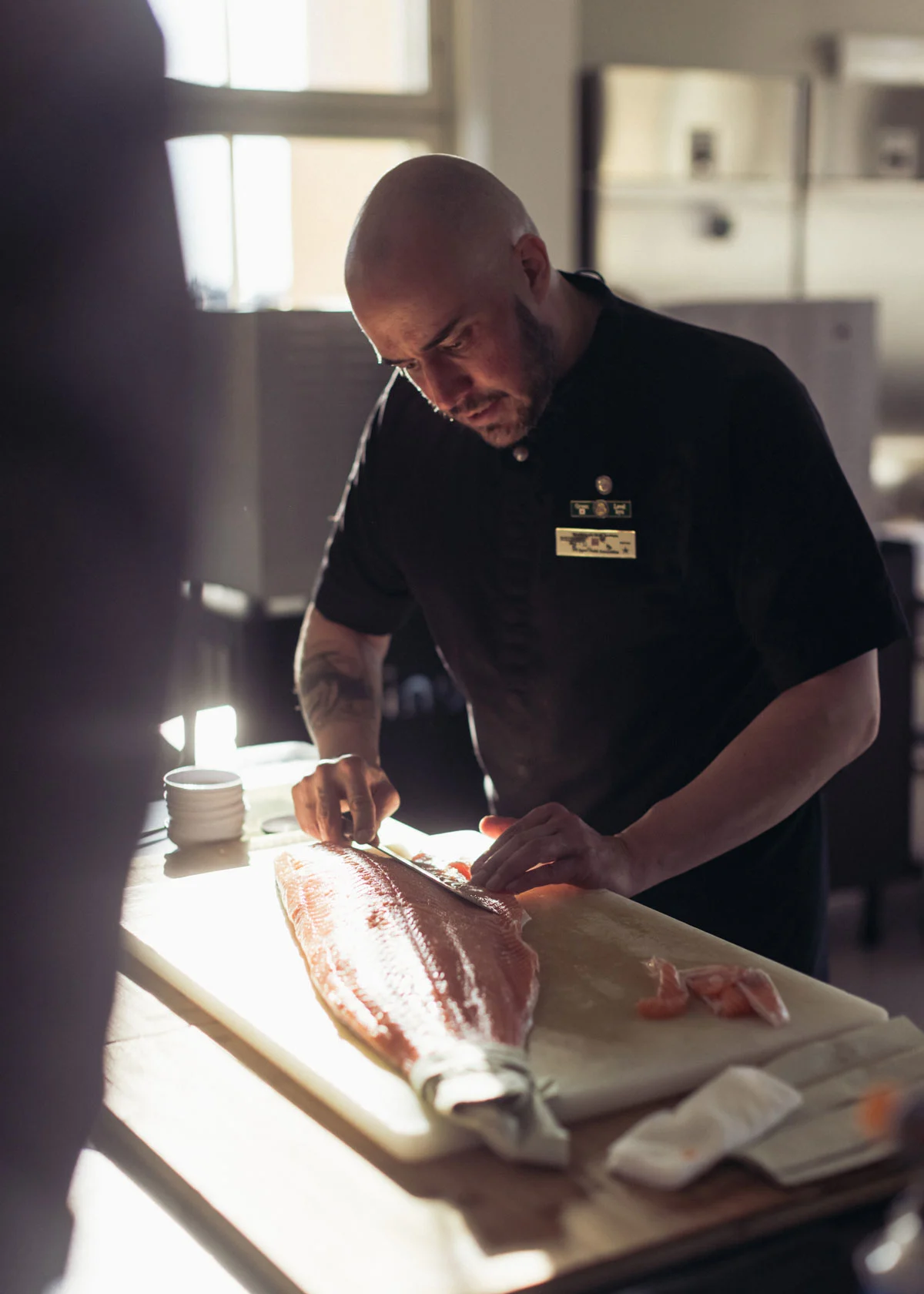
The kitchen meets professional needs and adapts to a wide range of uses and event experiences.
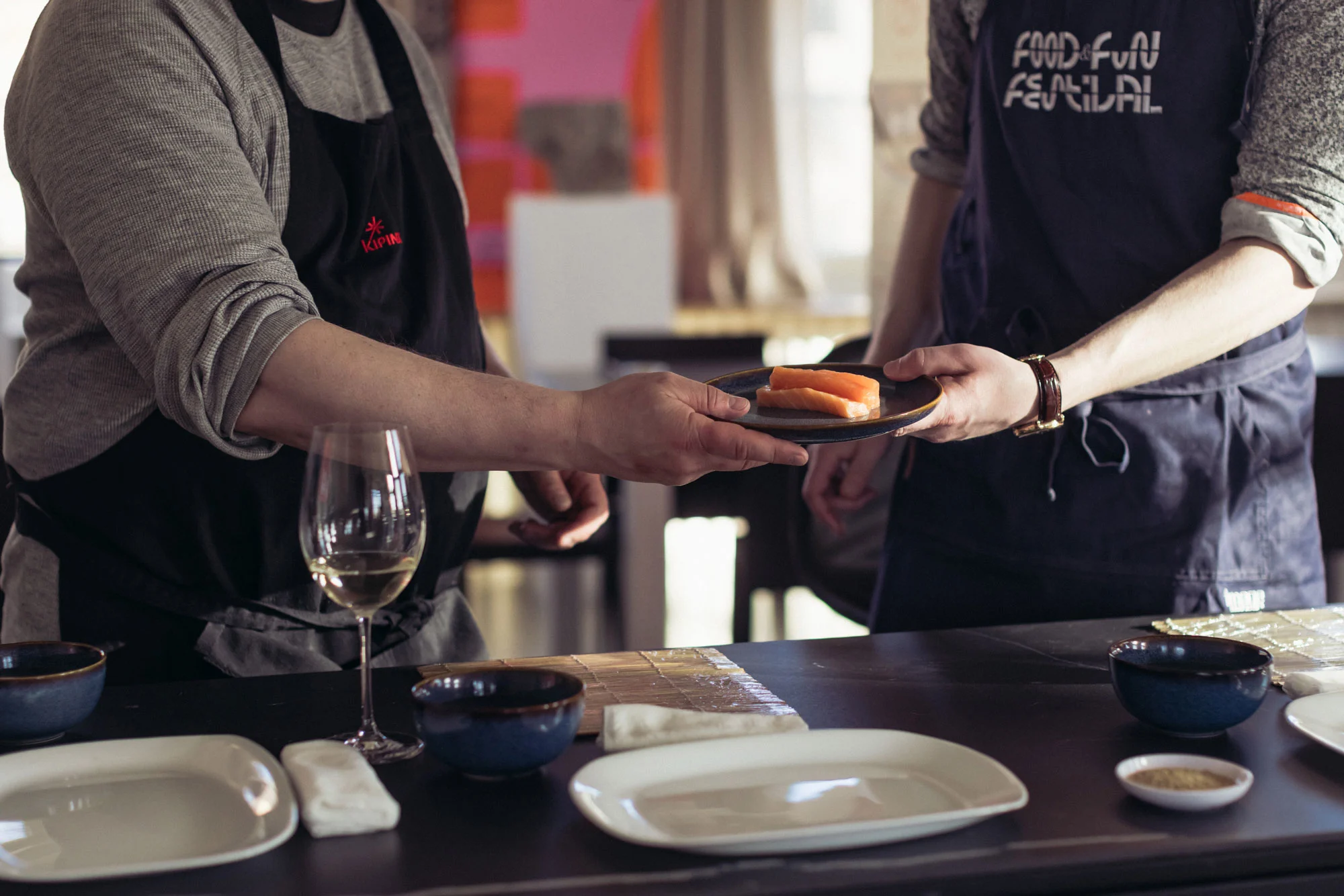
Agility, sustainability, and cost-efficiency in the kitchen
With Dieta’s Relife concept, the pop-up kitchen was implemented efficiently and cost-effectively. Refurbished
equipment is reliable and long-lasting. The full lifecycle of high-quality kitchen equipment is used: instead of
becoming waste, equipment is serviced and reused.
Because a large share of the equipment is reused, the carbon footprint is reduced and resource efficiency
improves. This aligns with the Food & Fun Festival’s sustainability approach, which emphasizes recycling, local
ingredients, and waste minimization.